Industrial users have long recognized the value of RFID, but metal environments have traditionally presented one of the toughest technical challenges for tag performance. In factories, workshops, maintenance yards, and infrastructure sites, many of the most important assets are made of metal or stored near metal surfaces. That has created demand for products specifically designed to perform in such conditions. Chengdu Mind IOT Technology.,Ltd. has continued to develop on-metal RFID tags aimed at these demanding applications, where reliable identification can improve asset visibility, maintenance control, and operational discipline.
The interest in on-metal tags is being driven by practical needs rather than theoretical curiosity. Industrial organizations often manage tools, machinery parts, returnable containers, cabinets, control equipment, or production fixtures that move across multiple work areas. When those items are tracked manually, records can become inconsistent and staff may spend unnecessary time searching for assets or confirming whether they were returned. In a busy industrial environment, delays caused by missing information can affect maintenance schedules, project timelines, and even safety routines. Better identification helps reduce that uncertainty.
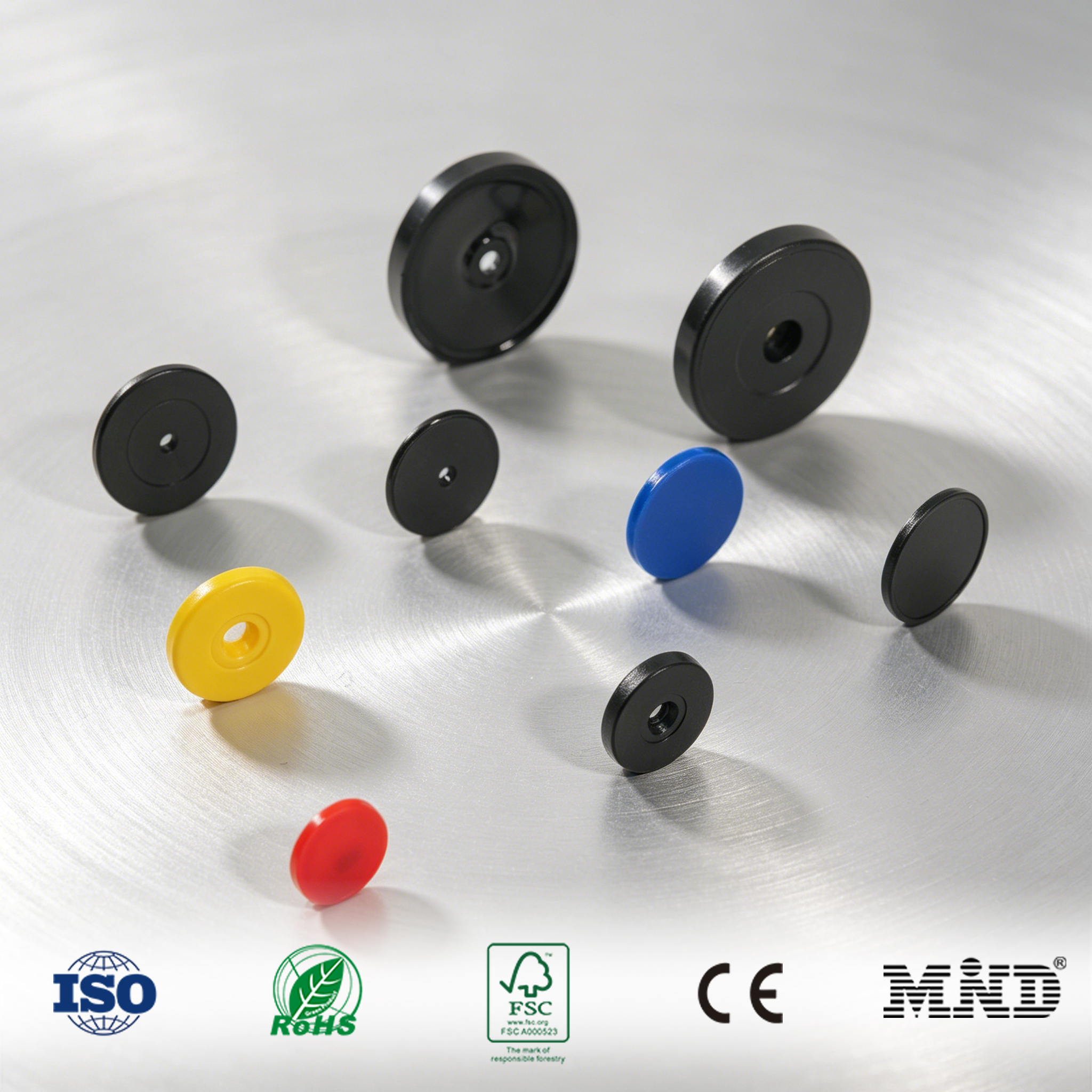
Standard RFID products may not be ideal when mounted directly on metal because the surrounding material can affect signal behavior. That is why on-metal tags are treated as a specialized category. Buyers want tags that are physically robust, readable in real conditions, and able to hold up under vibration, moisture, dust, or outdoor exposure depending on the job. Chengdu Mind IOT Technology.,Ltd. says industrial customers usually ask not only about read performance, but also about casing strength, installation method, and long-term stability once the tag is exposed to rough handling.
Typical use cases include asset identification on production equipment, maintenance record management, inspection control, and location tracking for reusable tools or parts. In some operations, a tag may be fixed to a machine housing or metal rack so that staff can confirm asset identity before service work begins. In others, the tag supports internal inventory systems by allowing teams to scan groups of assets more efficiently during audits. This ability to combine physical durability with digital traceability is a major reason on-metal solutions have become more relevant across industrial settings.
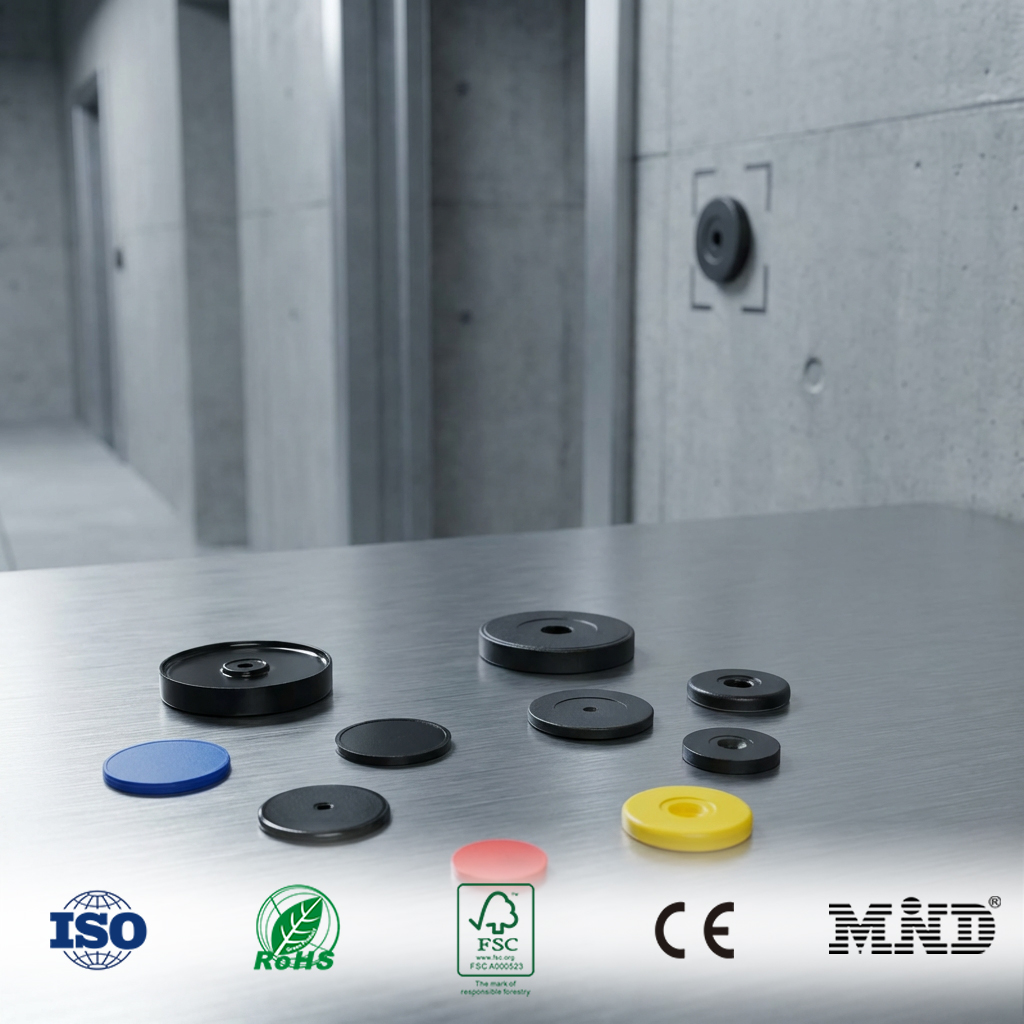
Another trend supporting the market is the broader push toward data-backed maintenance. Many organizations want clearer records of when an item was issued, returned, checked, or serviced. RFID does not replace every part of that process, but it can make asset identification faster and more reliable, which improves the quality of the surrounding records. That matters when maintenance teams are managing large numbers of items with similar appearance or when the same equipment moves between departments. A tag that remains attached and readable under real conditions can save time while reducing opportunities for record error.
Installation flexibility is also shaping buyer expectations. Some users prefer screw mounting, others prefer adhesive methods, and some need tag housings suited for outdoor or semi-exposed use. No single format fits every industrial environment. Chengdu Mind IOT Technology.,Ltd. reports that customers are increasingly looking for solutions tailored to specific operating conditions rather than off-the-shelf parts selected only on price. In industrial procurement, a cheap tag that fails in the field quickly becomes costly once downtime, retagging, and labor are taken into account.
As tracking requirements grow across manufacturing, utilities, and equipment-intensive industries, on-metal RFID tags are becoming a more practical and more widely accepted tool. Their importance lies in helping operations gain better control over physical assets that were once difficult to digitize efficiently. Chengdu Mind IOT Technology.,Ltd. believes the market will continue to favor rugged, dependable solutions that fit industrial reality rather than lab conditions. For users working in metal-heavy environments, on-metal RFID is no longer a niche concept. It is increasingly part of the normal conversation about efficient and accountable asset management.
Post time: Jul-16-2026