As global supply chains advance toward digitization, smart warehousing has become crucial for enterprise competitiveness, with RFID tags serving as essential “digital identities” for physical assets. In 2026, RFID tags in smart warehousing are evolving beyond basic identification toward intelligence, integration, and sustainability.
1. Upgrade of Passive UHF RFID Tags: Higher Efficiency and Wider Popularization
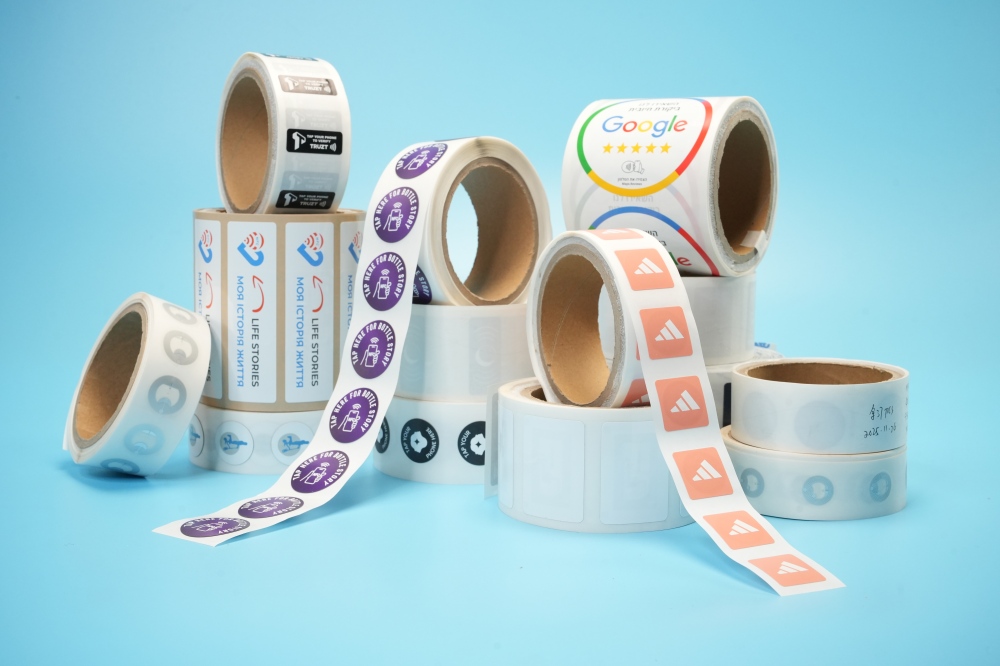
Passive UHF RFID tags, valued for low cost and long reading distance, will see comprehensive upgrades in 2026. The new generation offers over 10-meter reading range, simultaneous scanning of hundreds of tags, and stronger anti-interference. Chengdu Mind IOT Technology Co.,Ltd has launched this upgraded tag, optimizing antenna and chip design to cut costs by 20% while boosting performance, enabling large-scale deployment in small and medium warehouses and enhancing inbound/outbound/inventory efficiency.
2. Integration of RFID Tags with Sensors: Real-Time Monitoring of Goods Status
A key 2026 trend is RFID tags integrated with sensors, evolving into multi-functional data collectors. They track temperature, humidity, and other environmental factors for goods like cold-chain items and medical supplies, transmitting data to WMS. Chengdu Mind IOT Technology Co.,Ltd has developed customized sensor-integrated tags that connect seamlessly with its WMS, enabling real-time goods monitoring and full quality traceability.
3. Integration with Agentic AI: Driving Automated Warehousing Decisions
2026 marks Agentic AI’s rise in industry, and its integration with RFID tags will automate smart warehousing. RFID provides accurate real-time data (location, quantity, status) for AI, enabling automatic inventory replenishment, order picking, and scheduling. Chengdu Mind IOT Technology Co.,Ltd has combined its RFID technology with Agentic AI to build an intelligent decision system, reducing manual intervention by over 60% and improving accuracy.
4. Popularization of Ambient IoT-Enabled RFID Tags: From “Manual Scanning” to “Active Data Transmission”
Ambient IoT will transform RFID reading from manual scanning to active data transmission in 2026. New tags connect to existing warehouse infrastructure (Wi-Fi, smart shelves) for automatic, continuous data transfer without dedicated readers. Chengdu Mind IOT Technology Co.,Ltd leads this application, integrating readers into existing equipment to cut deployment costs by 30% and build fully connected warehousing networks.
5. Rise of Green Degradable RFID Tags: Sustainable Development of Smart Warehousing
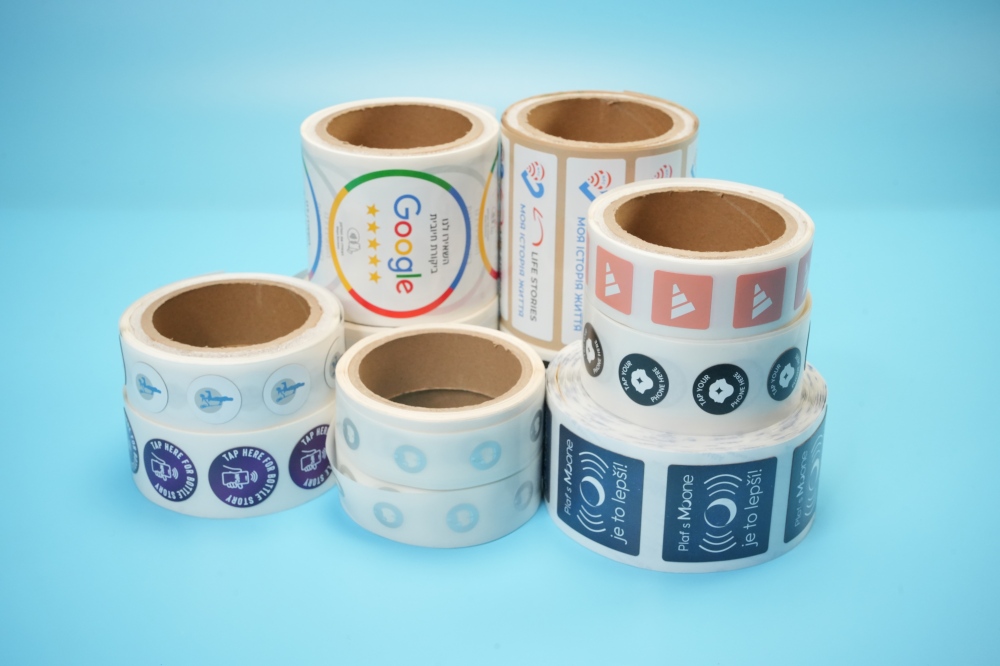
Growing environmental demands drive 2026’s surge in green degradable RFID tags, made from corn starch or PLA and fully degradable in 6-12 months without performance loss. Chengdu Mind IOT Technology Co.,Ltd has invested heavily in R&D, launching internationally compliant products and achieving mass production, helping enterprises balance warehousing intelligence and environmental protection.
Conclusion
The five 2026 trends—passive UHF upgrades, sensor integration, Agentic AI combination, Ambient IoT enablement, and green degradability—are revolutionizing smart warehousing. As an industry leader, Chengdu Mind IOT Technology Co.,Ltd integrates its core technologies into these trends, offering customized solutions. It will continue leading the industry to help enterprises unlock value in supply chain digital transformation.
Post time: Feb-02-2026