In the dynamic fields of modern agriculture and pet management, the need for efficient, reliable, and scalable animal identification has never been greater. While implantable microchips offer a permanent subcutaneous solution, RFID ear tags present a highly versatile and widely adopted external alternative. These tags have become a cornerstone in managing the health, lineage, and movement of millions of animals worldwide, from vast pastoral landscapes to controlled domestic environments. This article delves into the technology, applications, and significant advantages of RFID ear tags, underscoring their pivotal role in creating transparent and traceable food supply chains and responsible pet ownership.
Technical Foundations and Operational Principles
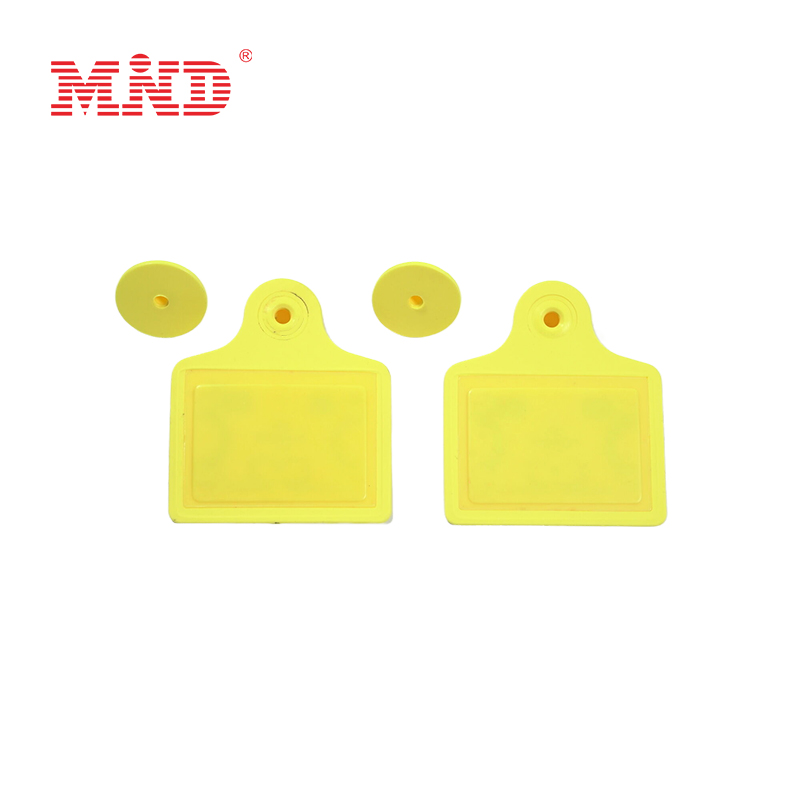
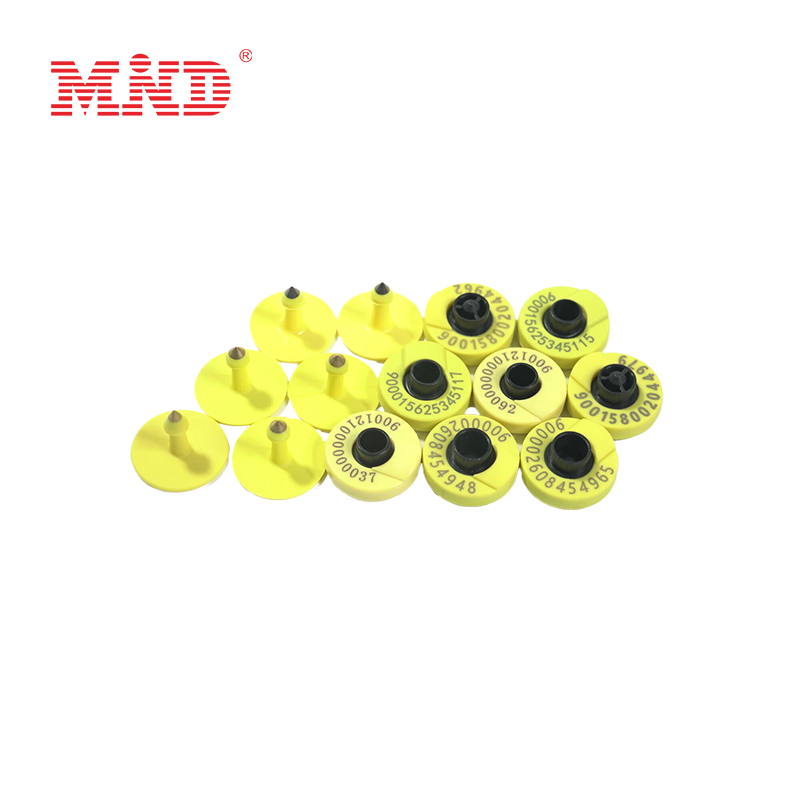
RFID ear tags operate on similar core principles as other RFID systems, utilizing radio frequency waves for wireless data transmission. The tags themselves are passive, meaning they contain no internal power source and are activated by the electromagnetic field generated by a compatible reader. The specific frequency bands used, such as Low Frequency (LF) around 134.2 kHz or Ultra-High Frequency (UHF), determine their read range and performance in different environments. UHF tags, for instance, can offer longer read distances, which is beneficial in automated systems in large feedlots. Each tag is embedded with a unique identification number that is virtually impossible to alter, providing a secure and tamper-evident method of marking an animal. This data is stored in a microchip housed within a rugged casing, typically made from polyurethane or other durable, weather-resistant materials designed to withstand extreme temperatures, moisture, UV exposure, and physical impact. The design ensures longevity throughout the animal’s life, maintaining readability in challenging conditions from muddy pig pens to open ranges.
Diverse Applications Across Animal Species
The utility of RFID ear tags spans across various species, each with its unique management requirements. In the cattle industry, these tags are indispensable for individual animal tracking, monitoring feeding patterns, managing breeding programs, and ensuring compliance with national and international traceability regulations for disease control and food safety. For sheep and goat farming, smaller, lightweight versions are employed to track flock movements, manage wool or milk production records, and prevent theft. In swine production, robust tags capable of enduring abrasive environments are used to monitor health and growth rates from weaning to finishing. For dogs, while implantable microchips are common for permanent identification, RFID ear tags serve as an excellent supplementary tool, especially in kennel environments or for working dogs, allowing for quick visual and electronic identification without the need for specialized scanning in every interaction. This flexibility makes the ear tag a universal tool for improving operational efficiency.
Tangible Benefits Over Traditional Identification Methods
The adoption of RFID ear tags brings a multitude of advantages that eclipse traditional methods like visual tags, tattoos, or branding. Firstly, they dramatically reduce human error associated with manual data entry, as information is captured instantly and accurately with a reader. Secondly, they enable automation; readers installed at gates, milking parlors, or feeding stations can automatically record animal movement and consumption, providing valuable data for precision farming. The combination of a visual panel for quick number checks and an electronic chip for database integration offers the best of both worlds. Furthermore, the non-intrusive application process, which is similar to attaching a conventional ear tag, minimizes stress on the animal and can be performed quickly by trained personnel. This ease of deployment, coupled with the durability of the tags, results in a lower total cost of ownership despite a higher initial investment than simple visual tags.
System Integration and Data Management
The true power of RFID ear tags is fully realized when integrated into a comprehensive management system. The data captured by handheld or fixed-mount readers is seamlessly transmitted to centralized farm management software. This digital ecosystem allows farmers and veterinarians to maintain detailed individual animal records, including medical history, vaccination schedules, parentage, and movement logs. This level of data granularity supports critical decisions, enhances breeding outcomes, and streamlines operational workflows. The ability to generate reports and provide audit trails is also crucial for meeting the stringent requirements of modern agricultural standards and export protocols.
Looking Ahead: The Future of RFID in Animal Management
The future of RFID ear tags is closely linked with the broader trends of digitalization and the Internet of Things (IoT) in agriculture. Emerging innovations include tags with integrated sensors that can monitor an animal’s body temperature, providing early indicators of illness or estrus, which is invaluable for timely intervention and optimized breeding schedules. The integration of RFID data with blockchain technology is also being explored to create an immutable and transparent record from farm to fork, bolstering consumer confidence. As standards continue to evolve and technology costs decrease, the proliferation of these intelligent systems will further cement RFID ear tags as an essential component of sustainable and profitable animal management.
Chengdu Mind IoT Technology Co., Ltd. provides you with professional end-to-end animal ear tag solutions. We welcome your inquiries 24 hours a day.
Post time: Nov-27-2025