Asset chaos, time-consuming inventories, and frequent losses – these issues are eroding corporate operational efficiency and profit margins. Amid the wave of digital transformation, traditional manual asset management models have become unsustainable. The emergence of RFID (Radio Frequency Identification) technology has opened new pathways for granular control, with RFID Asset Management Systems becoming the transformation choice for numerous enterprises.
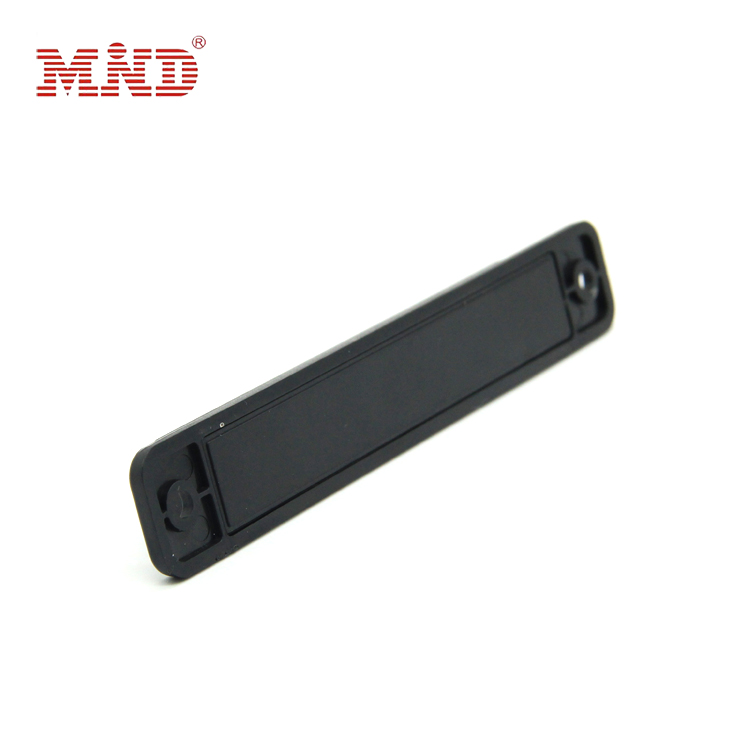
The core advantage of an RFID Asset Management System lies in ”contactless identification and batch scanning.” Unlike traditional barcodes requiring individual scans, RFID tags enable simultaneous long-range reading of multiple items. Even when assets are obscured or stacked, readers can accurately capture information. Paired with the system’s unique identification capability, each asset receives a dedicated “digital identity” upon入库 (warehousing). Full lifecycle data – from procurement and allocation to maintenance and retirement – synchronizes in real-time to cloud platforms, eliminating manual recording errors and delays.
Manufacturing Workshop Applications:
Managing large equipment and components was once a challenge in manufacturing plants. After implementing an RFID system, one machinery manufacturer embedded tags into production equipment and critical parts. Readers deployed throughout the workshop track equipment status and component locations in real-time. Monthly inventories that previously took 3 employees 2 days to complete now generate automated reports requiring only 1 person for verification. Inventory efficiency surged while asset idle rates declined.
Logistics & Warehousing Applications:
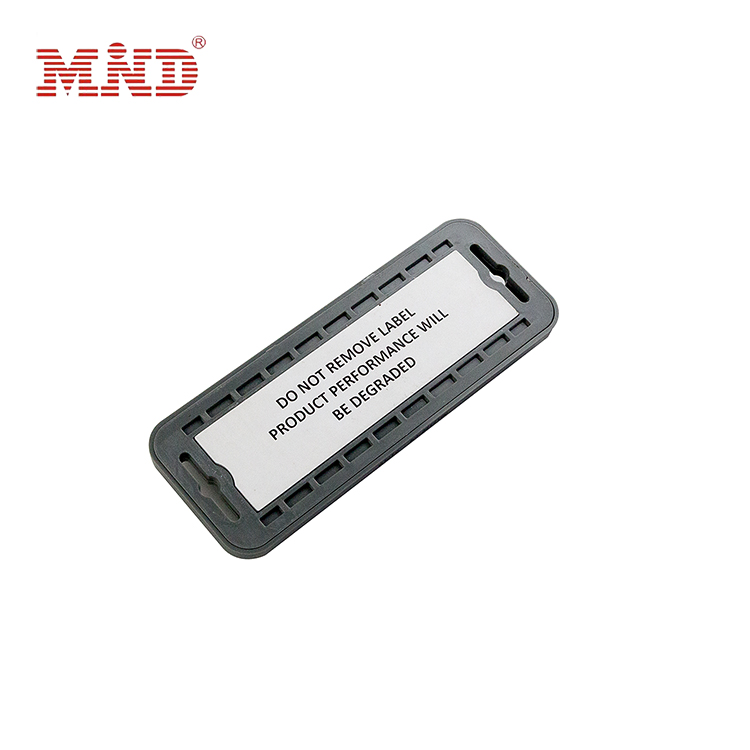
RFID systems deliver equally significant value in logistics. During inbound/outbound processes, tunnel readers instantly capture entire batches of goods data. Combined with RFID’s traceability function, companies can rapidly locate each shipment’s transit points. After implementation at an e-commerce distribution center:
Misdelivery rates decreased
Inbound/outbound efficiency increased
Formerly congested sorting areas became orderly
Labor costs reduced by nearly 30%
Post time: Nov-12-2025